Protein is the one nutrient most worth paying attention to when you are trying to lose weight. When you eat less, your body draws on fat but also on muscle. Eating enough protein, ideally together with some strength training, tilts that balance towards fat.
The minimum: 0.83 g per kg
The European Food Safety Authority sets the population reference intake for adults at 0.83 g of protein per kg of body weight per day [1]. For a 70 kg adult that is about 58 g. This number covers the needs of almost all healthy adults at a stable weight. It was not designed for people in a calorie deficit or who train regularly, and both raise your needs.
How much protein when you are losing weight
Three lines of research point to roughly the same range.
- Exercising adults: the International Society of Sports Nutrition recommends 1.4–2.0 g/kg a day for most people who exercise, to build and maintain muscle [2].
- The point of diminishing returns: a meta-analysis of 49 trials with 1,863 people found that extra protein stopped adding muscle gains at a total intake of about 1.6 g/kg a day [3]. Many people get most of the benefit at that level.
- Dieting while lean: for lean people who lift weights and diet hard, needs rise further. A systematic review suggested 2.3–3.1 g per kg of fat-free mass (body weight minus fat) during calorie restriction [4]. This applies to athletes cutting to low body fat, not to most people.
Does it make a difference for regular dieters? A meta-analysis of 24 trials compared calorie-reduced diets that were higher in protein with standard-protein diets at the same calories [5]. On average, the higher-protein groups lost 0.79 kg more weight and 0.87 kg more fat, and kept 0.43 kg more lean mass. The differences are modest, but they point in the right direction, and they came from the same number of calories.
Your daily protein, by body weight
| Body weight | Minimum (0.83 g/kg) | Weight-loss target (1.6 g/kg) | Range (1.4–2.0 g/kg) |
|---|---|---|---|
| 55 kg (121 lb) | 46 g | 88 g | 77–110 g |
| 65 kg (143 lb) | 54 g | 104 g | 91–130 g |
| 75 kg (165 lb) | 62 g | 120 g | 105–150 g |
| 85 kg (187 lb) | 71 g | 136 g | 119–170 g |
| 95 kg (209 lb) | 79 g | 152 g | 133–190 g |
Why protein helps when you eat less
It keeps you fuller
Of the three macronutrients, protein costs the most energy to digest: your body spends more on processing it than on carbohydrate or fat. A review of diet-induced thermogenesis highlights protein's effect on satiety, the feeling of being full, as a key reason it helps with weight control [6]. In practice, a breakfast built around eggs or Greek yogurt keeps most people going longer than a pastry with the same calories.
It protects muscle
Muscle is what keeps you strong and is a large part of what you burn at rest. The more of your weight loss comes from fat rather than muscle, the better you look and feel at the end, and the easier it is to maintain. Protein plus resistance training is the best-studied way to protect it [2][3].
Spread it across the day
The ISSN suggests about 0.25 g/kg, or 20–40 g, per meal, every three to four hours [2]. It also makes your target much easier to hit. If you need 120 g, four meals of 30 g are realistic; a 20 g breakfast and a 100 g dinner are not.
Easy ways to get 25–40 g per meal
Protein per portion
- Chicken breast, 100 g31 g
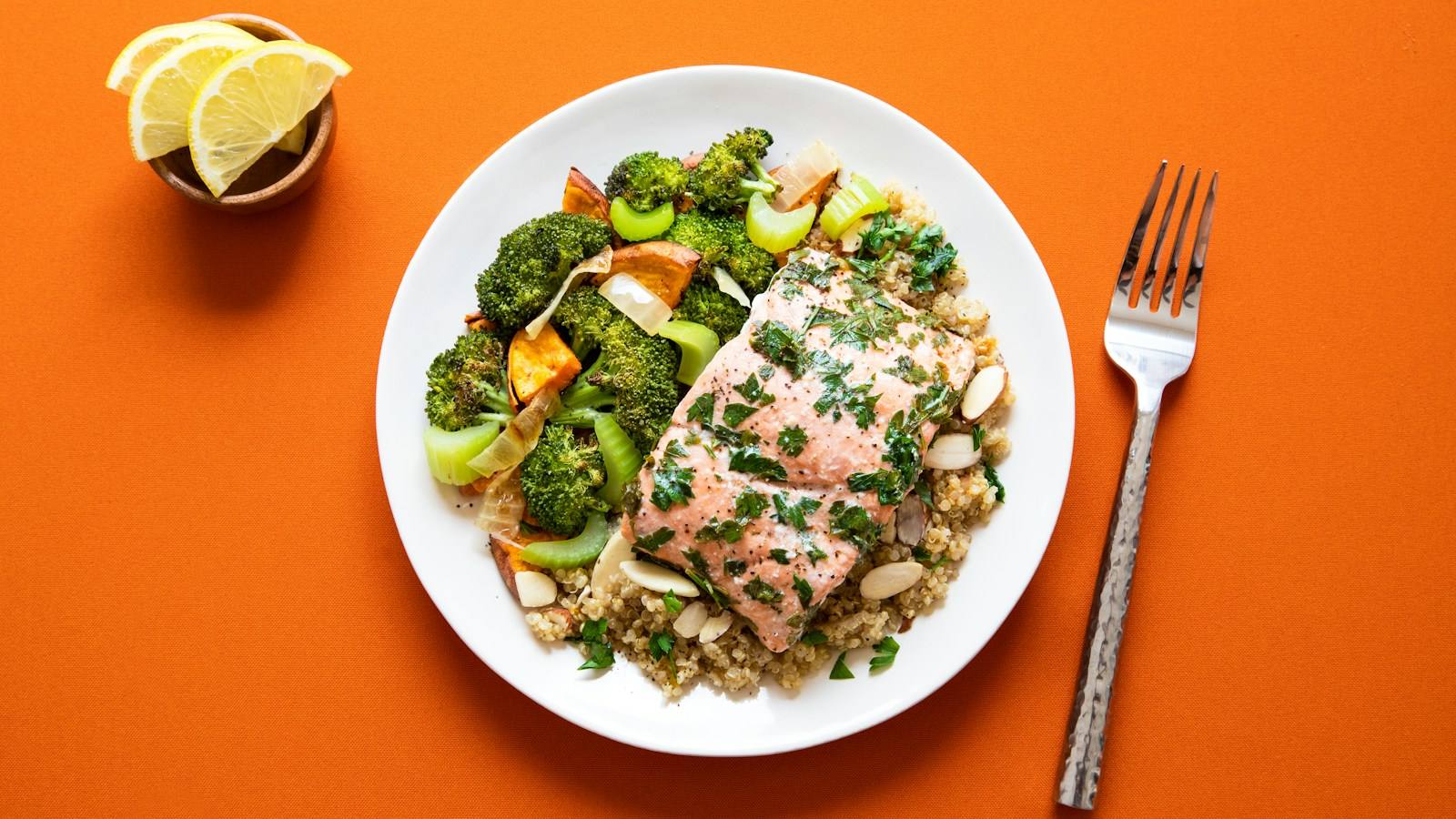
- Salmon, 100 g23 g
- Cottage cheese, 200 g21 g
- Lentils, cooked, 200 g18 g
- Greek yogurt, 170 g17 g
- Firm tofu, 100 g15 g
- Eggs, 2 large13 g
A few combinations that reach 30 g without much effort:
- Breakfast: Greek yogurt with a handful of nuts and berries, plus one boiled egg.
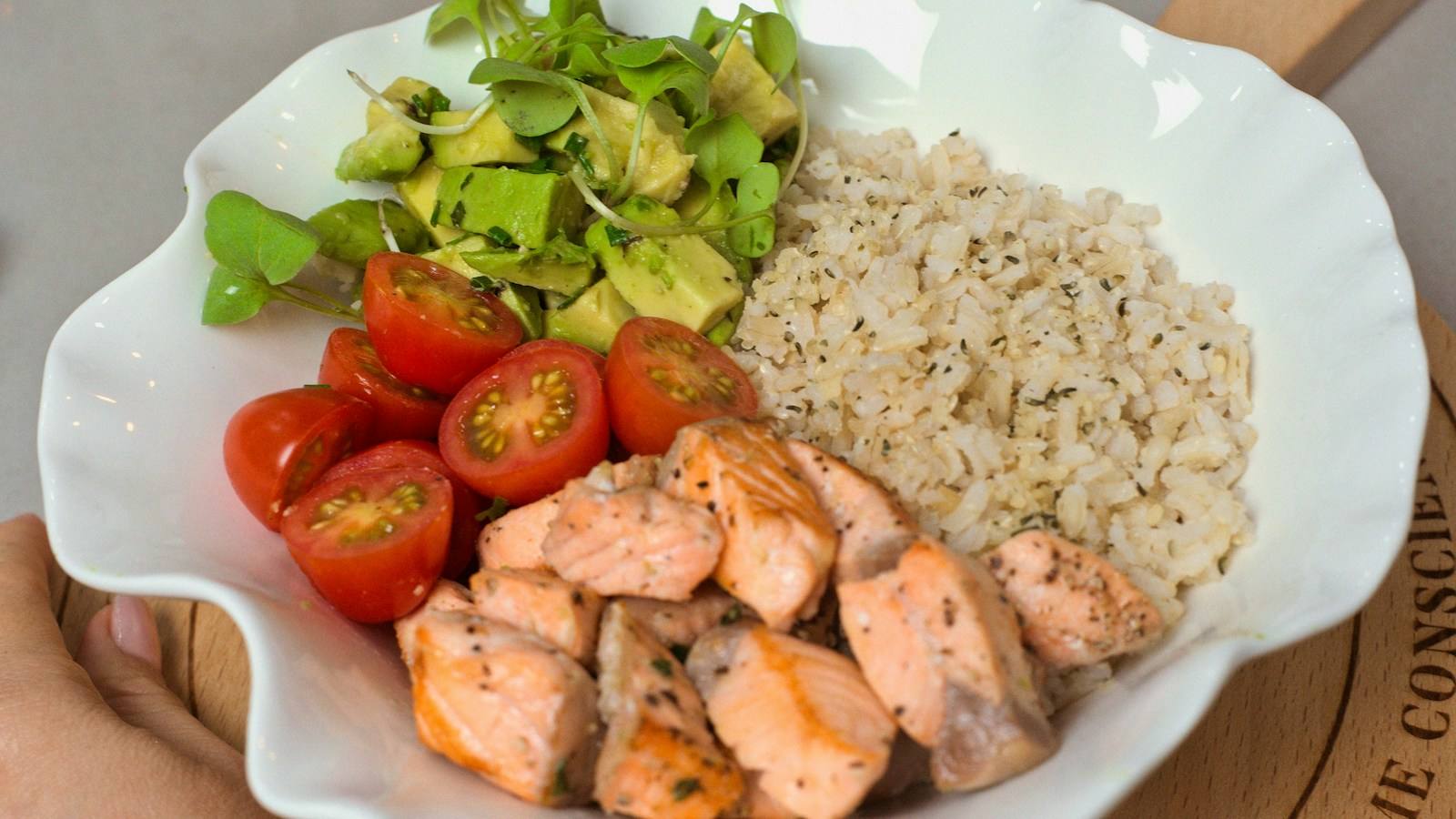
- Lunch: a grain bowl with 120 g of chicken, tofu or tuna.
- Dinner: a palm-and-a-half of fish or meat, or a large portion of lentil dal with tofu.
- Snack: cottage cheese, a glass of milk or soy milk, or edamame.
You don't need supplements to reach these targets; whole foods work. A protein shake is simply a convenient option if your meals fall short [2].
Is high protein safe?
The ISSN notes that 1.4–2.0 g/kg falls within the range of protein intake that the US Institute of Medicine considers acceptable for adults [2], and plenty of people eat this much. If you have kidney disease, or are at risk of it, your doctor may recommend a different amount. Ask before increasing protein significantly.
How Apeli helps
Apeli shows protein as its own ring on your daily journal, so you can see at lunch whether you are on pace. Each meal photo is matched to national food databases, which list protein per portion. The coach also flags days that fall short, and suggests meals that fit, for example "add 25 g protein at breakfast on training days". To set your calorie target alongside it, see How many calories should I eat to lose weight?
References
- EFSA sets population reference intakes for protein. European Food Safety Authority, 2012
- Jäger R, et al. International Society of Sports Nutrition Position Stand: protein and exercise. J Int Soc Sports Nutr, 2017
- Morton RW, et al. A systematic review, meta-analysis and meta-regression of the effect of protein supplementation on resistance training-induced gains in muscle mass and strength. Br J Sports Med, 2018
- Helms ER, et al. A systematic review of dietary protein during caloric restriction in resistance trained lean athletes. Int J Sport Nutr Exerc Metab, 2014
- Wycherley TP, et al. Effects of energy-restricted high-protein, low-fat compared with standard-protein, low-fat diets: a meta-analysis of randomized controlled trials. Am J Clin Nutr, 2012
- Westerterp KR. Diet induced thermogenesis. Nutr Metab (Lond), 2004
- FoodData Central. US Department of Agriculture